
You closed the champion. They love your solution. The budget is there. The verbal yes was enthusiastic. Then… silence.
Weeks pass. Your emails go unanswered. Your champion sounds increasingly apologetic on calls. “It’s just making its way through the process,” they say. What they mean is: your deal is stuck in the approval chain, and there’s nothing they can do about it.
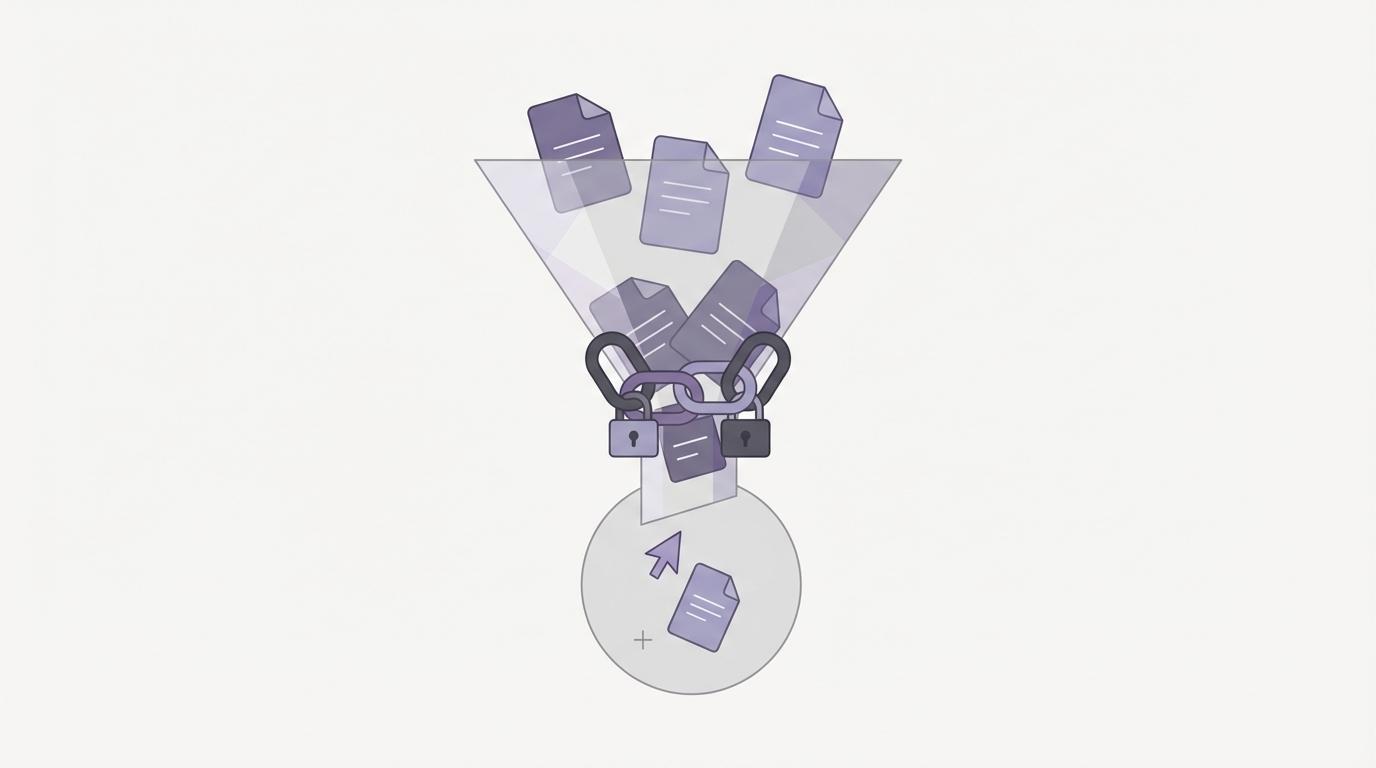
This is the frustrating reality of enterprise sales. According to Forrester’s 2024 Buyers’ Journey Survey, the average B2B purchase now involves 13 stakeholders. For enterprise deals worth $100K or more, you’re looking at 6 to 10 decision-makers at minimum. Sometimes it stretches to nearly 20 people who all need to weigh in.
And every single one of them has veto power.
Why the Approval Chain Has Become a Deal Killer
The buying committee explosion didn’t happen by accident. Organizations are making decisions more carefully. Risk-averse leadership wants more eyes on major purchases. Compliance requirements have multiplied. Security concerns have intensified.
The result? A purchasing process that can stretch from weeks to years. Research from Klor Consulting shows that complex enterprise solutions often take 1-2 years from first touch to final signature. The purchasing cycle stalls due to stakeholder alignment, budget approvals, compliance checks, and widespread risk aversion.
Meanwhile, 28% of sales professionals cite lengthy sales cycles as the top reason prospects back out of deals entirely. The longer your deal sits in approval limbo, the higher the chance it dies there.
The Hidden Gatekeepers You Never Met
Here’s what makes this particularly challenging: the people killing your deal often aren’t the ones you’ve been selling to.
Your champion in marketing got excited about your platform. But now it needs sign-off from:
- Legal – reviewing contract terms, liability clauses, and indemnification language
- Procurement – comparing your pricing to competitors, checking vendor qualifications
- Finance – evaluating payment terms, budget allocation, ROI projections
- IT Security – assessing data handling, compliance certifications, integration risks
- Operations – considering implementation complexity and resource requirements
Each of these functions operates sequentially. Without coordination, handoffs add days or weeks to your cycle time. And here’s the painful truth: most of these stakeholders have no relationship with you. They’re evaluating your deal on paper, without the context your champion has.
The Security Review Trap
In regulated industries like healthcare, finance, or defense, the approval chain becomes even more complex. Organizations must navigate extended loops involving legal, compliance, risk, and product teams. Each stakeholder reviews materials for technical accuracy, regulatory alignment, and risk mitigation.
The result? Multiple rounds of revisions and significant time delays. You answer one security questionnaire, only to receive another from a different department. You provide compliance documentation, then wait weeks for someone to actually review it.
Accessibility standards, GDPR requirements, and data protection laws are non-negotiables in many sectors. But they’re often not surfaced until late in the process, triggering last-minute delays or outright rejections. Your deal was fine until someone in legal noticed a clause they didn’t like on page 47.
What You Can Do About It
Knowing that approval chains kill deals is frustrating. But it’s also actionable. Here’s how smart sellers navigate the bureaucracy:
1. Map the Full Buying Committee Early
Don’t wait until your champion says “we need legal to review this” to ask about legal. In your discovery conversations, explicitly ask: “Who else will need to approve this decision? Can you walk me through your typical approval process?”
Build a stakeholder map that includes everyone who will touch the deal. Know their concerns before they raise them. The buying committee in enterprise deals often includes 11 or more people. If you’re only talking to 2 or 3 of them, you’re flying blind.
2. Create Content for the People You’ll Never Meet
Your champion will need to sell internally on your behalf. Make that easy. Prepare materials specifically designed for the approval chain:
- Security documentation that answers common InfoSec questions preemptively
- ROI calculators that finance teams can plug their own numbers into
- Legal-friendly contract summaries highlighting key terms
- Implementation timelines that operations can evaluate
Give your champion ammunition. If they have to hunt for information or make things up, the deal stalls.
3. Align Early to Prevent Late-Stage Surprises
The earlier you engage the approval chain, the faster you move through it. Can you get on a call with IT security during the evaluation phase, not after verbal commitment? Can procurement see your pricing structure before your champion falls in love with features you can’t deliver at their budget?
Early alignment prevents the scenario where everyone is enthusiastic except one department that nobody thought to consult. That lone objector can stall or kill your deal at the last minute.
4. Build in Approval Buffer Time
When forecasting deals, add realistic buffer time for approvals. If your prospect says “we want to launch in January,” work backward from there and add 4-8 weeks for the approval chain. Better to set expectations correctly than to watch a deal slip quarter after quarter.
Large organizations have bureaucratic layers and approval chains to navigate. Budget cycles and annual reviews add additional timing constraints. If your deal needs to close before fiscal year-end, you should have started the approval process months earlier.
5. Offer to Remove Friction
Sometimes the approval chain stalls because nobody has time to complete it. Ask your champion: “Is there anything I can do to make the review process easier? Would it help if I joined a call with your security team directly?”
Proactively offering to participate in internal reviews, answer questions live, or provide documentation in specific formats can shave weeks off the process. Most vendors don’t offer this. You’ll stand out.
6. Consider a Deal Desk Approach
Companies that implement deal desk operations can reduce overall deal cycle time by 20-40% through faster approvals and fewer errors. If your organization doesn’t have one, consider creating informal processes that mirror this approach.
A deal desk centralizes input from sales, finance, legal, and operations. Instead of sequential handoffs, stakeholders collaborate in parallel. The same principle applies to navigating your buyer’s approval chain. The more you can encourage parallel rather than sequential reviews, the faster you move.
The Champion Enablement Mindset
Here’s the mental shift that changes everything: your job isn’t done when your champion says yes. It’s only beginning.
Your champion now needs to build the internal case. They need to justify the purchase to people who weren’t in your demos. They need to answer objections from stakeholders who are skeptical by default. They need to navigate politics and priorities you’re not even aware of.
Final approval often comes from VPs, CFOs, or even the CEO for larger deals. If you haven’t helped your champion map the power structure and prepare for these conversations, the deal dies at the last stage.
The sellers who win enterprise deals consistently are the ones who treat internal selling as seriously as external selling. They equip champions with everything needed to succeed. They stay engaged through the approval process rather than waiting passively. They remove obstacles before those obstacles become deal-killers.
The Uncomfortable Truth
Not every deal stuck in approval limbo is winnable. Sometimes the bureaucracy is cover for lack of real commitment. Sometimes your champion doesn’t have the internal capital to push the deal through. Sometimes the organization is genuinely dysfunctional and no amount of enablement will help.
Part of navigating the approval chain is knowing when to cut your losses. If the deal has been “in legal” for three months with no movement, it might be time for an honest conversation about whether this is actually going to happen.
But for deals that are real, with champions who are genuinely motivated, understanding and proactively addressing the approval chain is the difference between winning and watching good opportunities die slow deaths.
The approval chain doesn’t have to kill your deals. But you can’t ignore it either. Map it, prepare for it, and help your champion navigate it. That’s how enterprise deals actually get done.