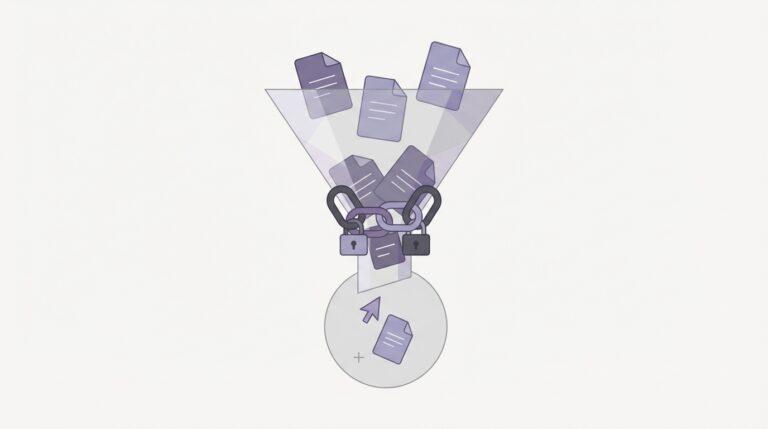
You just finished another discovery call. The prospect seemed engaged. You asked about their challenges, walked through your solution, and even got a few head nods. Then radio silence. No reply to your follow-up. No movement forward.
Sound familiar? You’re not alone. The average sales close rate sits at just 29%, and only 27% of reps are currently hitting quota according to HubSpot’s 2024 sales statistics. Something is breaking down, and for most teams, it’s happening right at discovery.

Here’s what’s really going on: most discovery calls fail before they even start. Reps ask surface-level questions, jump to solutions too fast, and leave without concrete next steps. The good news? Five specific questions can transform your discovery calls from dead ends into deal drivers.
The Four Discovery Mistakes Killing Your Pipeline
Before we fix the problem, let’s diagnose it. According to research from Gong Labs, there’s a pattern to why discovery calls fail.
Mistake #1: Talking too much. The moment a rep hears a problem they can solve, they pounce. But in doing so, they leave deeper, deal-driving pain points undiscovered. Top-performing reps listen more than they talk. The talk-to-listen ratio actually inverts during successful discovery calls.
Mistake #2: Surface-level research. Underperforming reps jump into discovery calls with only a basic understanding of the buyer’s business, executive team, and why the buyer took the call in the first place. Generic pitches fail because 69% of buyers are open to cold calls only when the message is actually relevant.
Mistake #3: Asking generic questions. “What keeps you up at night?” stopped working years ago. Prospects have heard it a thousand times. They give rehearsed, shallow answers that don’t reveal real buying motivation.
Mistake #4: No clear next steps. The call ends with “I’ll send you some information” instead of a booked follow-up. According to TIMIFY, failing to define clear next steps, action points, and timelines is one of the most common discovery call mistakes.
Pain Questions vs Problem Questions
Here’s a distinction that will change how you approach discovery forever: problems and pain are not the same thing.
A problem is a logical issue. “Our current software is slow.” A pain is the emotional and business consequence of that problem. “Our current software is slow, so my team wastes 10 hours a week on manual workarounds, which means we’ve missed our last two quarterly targets, and my job is on the line.”
Most reps stop at the problem. Top performers dig to the pain. According to Mindtickle, top-performing sales representatives ask 39% more questions during discovery calls than their peers. They also conduct calls that are 76% longer. Why? Because they’re not satisfied with surface answers.
The magic happens when you move from “what’s the problem?” to “what happens because of that problem?” That’s where urgency lives. That’s where budget gets unlocked. That’s where deals close.
The 5 Questions That Fix Everything
Research shows that asking 11-14 targeted questions during discovery correlates with a 70% higher success rate. But not all questions are equal. These five dig deeper than generic discovery frameworks and actually move deals forward.
Question 1: “Can you walk me through your current process for [specific task]?”
This question does two things. First, it shows you’ve done your homework because you’re asking about something specific to their role. Second, it uncovers inefficiencies, manual efforts, and pain points in their current workflow. According to SiftHub, understanding the current state before proposing solutions is foundational to effective discovery.
Question 2: “What happens if nothing changes in the next quarter?”
This is a consequence question. It forces the prospect to articulate the cost of inaction. If they can’t answer it, they don’t have urgent pain, and the deal will stall. If they can answer it vividly, you’ve just uncovered their compelling event.
Question 3: “If you had to quantify this problem in time, money, or missed opportunities, how would you describe it?”
According to Hyperbound, quantifying the impact of the problem is one of the best ways to accelerate the sales cycle. Yet 78% of sellers report difficulty discussing metrics with confidence. This question invites the prospect to do the math for you. The number they give becomes your ROI case.
Question 4: “How does this challenge impact your team’s quarterly KPIs?”
KPIs are how your prospect gets measured. When you connect their problem to their performance metrics, you’re no longer selling a feature. You’re selling career advancement. This is the language executives speak, and it’s how deals get prioritized internally.
Question 5: “What would need to be true for you to move forward with a solution this quarter?”
This is your close question disguised as discovery. It surfaces objections early. It reveals the buying process. It tells you who else needs to be involved. And it sets up a natural transition to next steps because now you can map your process to their requirements.
Making Next Steps That Actually Stick
You’ve asked great questions. You’ve uncovered real pain. Now don’t blow it at the finish line.
According to Klenty, 80% of sales require at least 5 follow-up calls, yet 44% of sales reps give up after just one attempt. The discovery call to sales conversion rate averages 10-30%. That means even great discovery calls need reinforcement to convert.
Here’s how to lock in next steps that stick:
- Be specific: “Let’s schedule a 30-minute demo for Tuesday at 2pm” beats “I’ll send some times” every single time.
- Get it on the calendar: Don’t end the call without the next meeting booked. If they push back, that tells you something about urgency.
- Assign homework: Give them something to do before the next call. “Can you pull the data on how many hours your team spends on this weekly?” This creates investment and qualifies whether they’re serious.
- Confirm via email immediately: Send a summary within an hour. Include the pain points they mentioned using their exact words. This shows you listened and creates accountability.
The discovery call isn’t meant to close the deal. It’s meant to open the door to a real conversation. But that door only stays open if both sides commit to walking through it.
Key Takeaways
Discovery calls fail for predictable reasons: talking too much, asking generic questions, stopping at surface problems, and ending without concrete next steps. The fix isn’t complicated, but it requires discipline.
Move from problems to pain by asking consequence questions. Quantify impact by inviting prospects to put numbers on their challenges. Connect everything to how they’re measured through KPI questions. And always, always end with a specific next step on the calendar.
Top performers ask 39% more questions and run calls that are 76% longer. They’re not winging it. They’re following a framework that uncovers what really matters to buyers. Now you have that framework too.
Your next discovery call is an opportunity to do it differently. Come prepared. Ask deeper. Listen longer. Book the next meeting before you hang up. That’s how pipelines get built with deals that actually close.