I’ll admit something that doesn’t sound great coming from a bookkeeper: in my first year, I thought the price list was always right. If an invoice disagreed with it, I fixed the invoice. Then one client’s customer short-paid several invoices in a row, each by the same small amount, and I went hunting for the mistake. There wasn’t one, exactly. A sales rep had agreed a lower price with that buyer on the phone and written it down nowhere, except (it turned out) on the buyer’s own purchase orders. I’d been helpfully “correcting” that price back to list on every invoice.
When I finally asked him, he looked at me as if I’d missed something obvious. “I told them that price back in March.”
True, but he hadn’t told anyone else. Untangling it took the best part of a month: credit notes, apologetic emails, a revised statement. (For the record, the buyer was perfectly nice about it.) Since then I’ve treated a price mismatch between an order and the price list as what it usually is, a question rather than an error.
Where does a buyer even get an old price?
Almost always, the buyer is copying from something. Usually it’s their own last order: they open the PO from a few weeks ago, change the quantities and send it, old prices and all. Anyone who handles standing orders knows how long a stale line survives that way. Then there’s the expired quote the buyer still has as a PDF, and the promotion that ended last month while their spreadsheet carried on regardless.
None of that is anyone pulling a fast one. My mum once politely insisted at a supermarket checkout that the shelf label said less than the till; she was right, and the cashier just gave it to her. I think of her every time a buyer’s order shows an old price.
Flag it, or fix it quietly?
Not every mismatch deserves a phone call. Chase all of them and your order desk learns to ignore the alerts, so I sort them roughly like this.
If the order shows a price higher than your list, charge list and note it, in case it was a typo for another product. Nobody has ever rung me to complain about paying less than they expected.
If it’s lower, flag it, every time. Lower can mean an expired quote, a finished promo or a deal a rep agreed and didn’t record, and the order alone won’t tell you which. Quietly charging list here is the dangerous fix, because an invoice that ignores the PO is exactly how short payments start. I learned that one the expensive way. Let someone who knows the customer answer it.
If the gap is enormous, suspect the product match before the price: a buyer who priced a case while you matched a single unit gets a dramatic mismatch that has nothing to do with pricing. Tax-inclusive prices do something similar (those you can fix quietly, once confirmed).
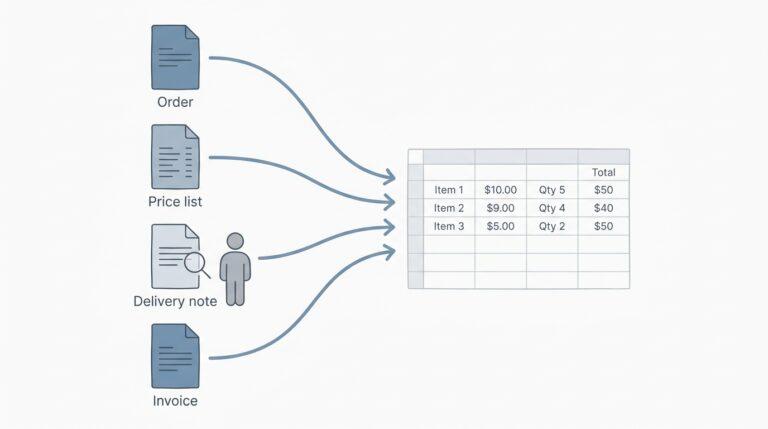
Sorting only helps if you catch the gap while the order is in front of you, not weeks later on a statement. That’s far easier when automated order processing checks every line against your prices and flags the ones that don’t match, instead of hoping whoever’s typing spots a few cents at speed. Someone still has to decide what happens to each flagged line (the software can spot the gap, but it wasn’t on the phone in March).
And if one customer sends the same lower price order after order, stop flagging lines and go find out why. Either there’s an agreement nobody recorded, or a buyer who’ll keep sending that price until someone tells them.
How a few cents on one line becomes a credit note
An order arrives at the buyer’s old price, someone keys it at list, and the invoice goes out at list. Their accounts team checks it against their PO and pays what the PO said, usually without telling you why. The leftover few dollars then sit in receivables looking overdue.
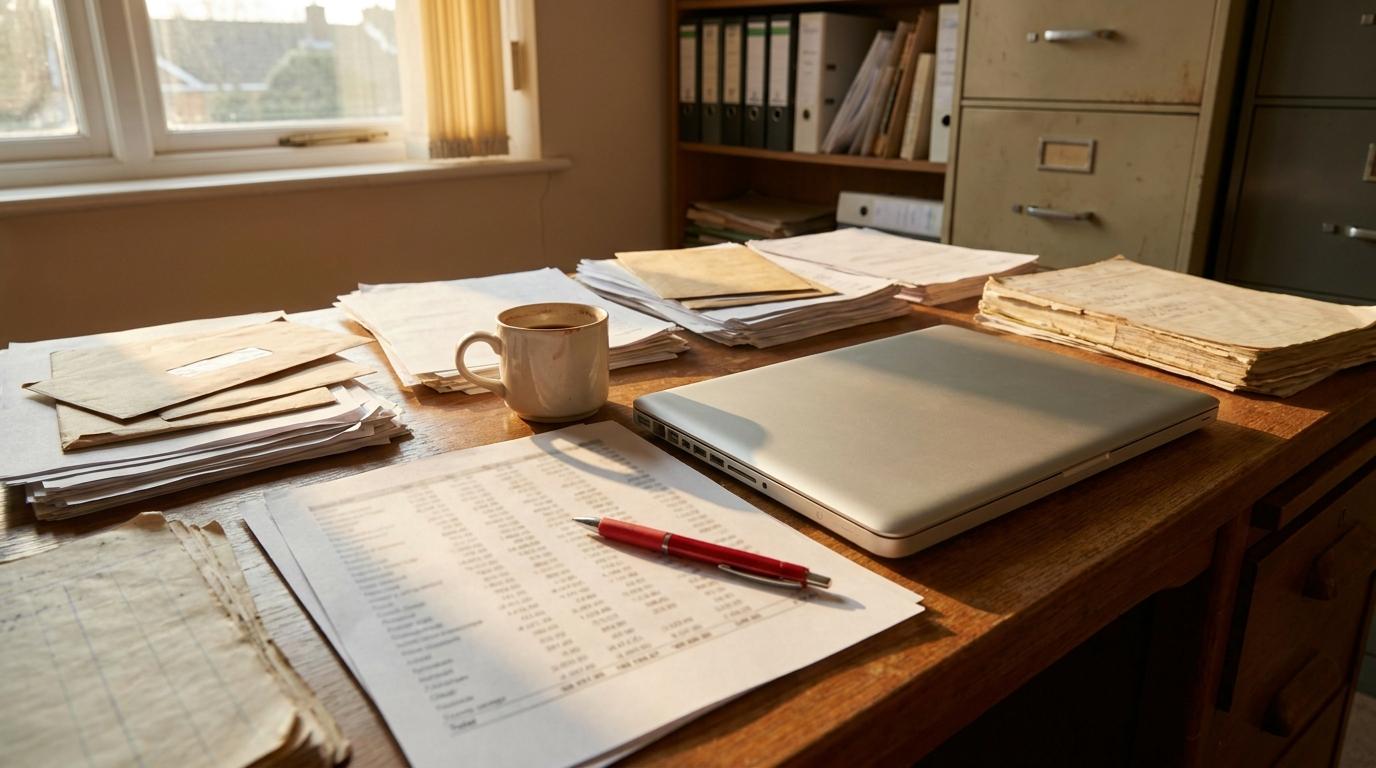
At month-end it turns up on the aged receivables report, and somebody (often me, with the printed price list, a red pen and a coffee gone cold) has to work out whether it’s a dispute, a mistake or a forgotten deal. By then the rep can’t remember the call. It usually ends with a credit note for the difference, against an invoice that should never have gone out at that price.
Multiply that by a handful of customers and month-end runs late for reasons nobody on the order desk can see (more here on where those mistakes start).
“Who said that was the price?”
The rule I give every client now is boring, and it works: one named person decides which price wins, and it isn’t the order desk, the bookkeeper or the software. Usually that’s the owner or whoever runs sales. Any price a rep agrees outside the list goes into that customer’s record the same day, or it doesn’t exist. Flagged lines go to that person, and their answer gets written down so the next order doesn’t ask the same question.
That rep still says he told them in March, and he did. A price agreed on the phone and written nowhere isn’t a price; it’s a credit note waiting for month-end.